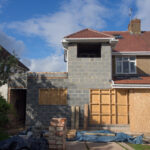
Ready to transform your loft into a stylish and functional living space? Discover the cost of converting a loft in the UK in 2023.
From average conversion expenses to factors that influence costs, this article provides detailed insights.
Explore different types of loft conversions and their associated expenses, along with additional costs to consider.
Get ready to budget smartly and turn your loft into a modern sanctuary. Innovation awaits you!
Average Conversion Costs
You can expect to spend between £20,000 and £40,000 on average to convert a loft in the UK. This cost can vary depending on factors such as the size of the loft, the complexity of the conversion, and the finishes and materials you choose.
The cost includes all the necessary work, such as structural alterations, insulation, plumbing, electrical wiring, and finishing touches.
It’s important to note that these figures are just averages, and the actual cost of your loft conversion may be higher or lower depending on your specific requirements. However, having a clear understanding of the average conversion costs can help you plan and budget for your project.
Factors affecting conversion expenses include:
- Cost of materials and equipment required for the conversion process
- Labour costs, including wages and benefits for employees involved in the conversion
- Energy costs, such as electricity or fuel used during the conversion
- Maintenance and repair costs for machinery and equipment
- Transportation costs for moving materials or finished products during the conversion
- Regulatory compliance costs, including fees and permits required for the conversion
- Technology and software costs for implementing new systems or processes
- Training and development costs for employees to learn and adapt to the conversion process
- Market conditions and demand for the converted products, which can impact pricing and profitability
- Economic factors, such as inflation or currency fluctuations,
When considering the expenses of converting a loft, several factors can significantly impact the overall cost.
One important factor is the size and layout of the loft space. The larger the loft, the more materials and labour will be required, which will naturally increase the cost.
Another factor to consider is the complexity of the conversion. If structural changes are needed, such as adding or removing walls, the cost will be higher compared to a simple conversion that only requires insulation and basic finishes.
Additionally, the type of materials used can greatly affect the cost. High-end finishes and fixtures will naturally be more expensive than budget-friendly options.
Types of Loft Conversions and Their Costs
One popular option for loft conversions is the dormer conversion, which involves extending the roof and creating additional space. This type of conversion is often chosen due to its versatility and cost-effectiveness.
Here are three types of loft conversions and their associated costs:
- Dormer Conversion: This type of conversion extends the roof to create additional space. The average cost for a dormer conversion ranges from £35,000 to £45,000.
- Velux Conversion: This conversion utilizes roof windows to bring in natural light and ventilation. The cost for a Velux conversion is generally lower, ranging from £20,000 to £30,000.
- Mansard Conversion: This conversion alters the shape of the roof to create a more spacious living area. Due to the complexity of the construction, the cost for a Mansard conversion is higher, typically ranging from £45,000 to £55,000.
These are a few examples of the types of loft conversions available, each with its own unique cost and benefits.
Additional Costs to Consider
When planning to convert a loft, there are several additional costs to take into account. It’s important to consider these expenses to ensure that your budget is realistic and comprehensive.
One of the major additional costs is obtaining building regulations approval, which is required for any structural changes made during the conversion. This can include implementing fire safety measures, meeting insulation standards, and addressing ventilation requirements.
Another cost to consider is hiring a building service, such as architects and structural engineers who will assist with designing and planning the conversion. Additionally, you may need to enlist the services of a party wall surveyor if your loft conversion involves work on shared walls.
Other expenses to keep in mind include fees for planning permission, insurance coverage, and the cost of extending necessary utilities or services to the loft.
Tips for Budgeting Your Loft Conversion
- Set a realistic budget: Start by determining how much you can afford to spend on your loft conversion. Consider your current financial situation and determine a budget that is achievable and realistic.
- Research costs: Take the time to research the costs associated with loft conversions. This includes materials, labour, and any additional expenses such as planning permission or building regulations. Get multiple quotes from different contractors to ensure you have a clear understanding of the costs involved.
- Prioritize your needs: Decide on the key features and elements you want in your loft conversion. Prioritize your needs and allocate your budget accordingly. This will help you stay focused on what is most important to you and prevent overspending on unnecessary items.
To effectively budget your loft conversion, it’s essential that you carefully consider all of the potential costs involved. Here are three tips to help you stay on track and avoid overspending:
- Set a realistic budget: Before you begin any work, determine how much you’re willing to spend on your loft conversion. Consider factors such as materials, labour, and any additional expenses that may arise during the project. Be sure to leave some room for unexpected costs.
- Research and compare prices: Take the time to research prices for materials, fixtures, and fittings. Get quotes from multiple suppliers and contractors to ensure you’re getting the best value for money. Don’t forget to consider the quality and durability of the products as well.
- Plan for contingencies: It’s important to anticipate potential issues that may arise during the conversion process. Set aside a contingency fund to cover any unexpected expenses or changes that need to be made. This will help you avoid any financial surprises and ensure that your loft conversion stays within budget.
Frequently Asked Questions
Yes, there are legal requirements and permits needed for converting a loft in the UK.
Before exploring the specific costs, it’s important to address the legal requirements and permits for converting a loft in the UK.
It should be noted that each local authority may have its own regulations, so it’s crucial to check with your local planning department.
Generally, loft conversions fall under permitted development rights. However, if you intend to modify the roof structure or exceed certain limits, you may need to apply for planning permission.
Building regulations will also apply to ensure safety and structural integrity.
Can I convert my loft without planning permission?
Can you convert your loft without planning permission?
Yes, in some cases. However, it’s important to consider the specific regulations and requirements in your area. While planning permission may not be necessary, you still need to comply with building regulations to ensure safety and quality standards.
It’s advisable to consult with a professional architect or builder who can guide you through the process and provide accurate cost estimates. Remember, proper planning and adherence to regulations will help you avoid any legal issues down the line.
How long does it usually take to finish a loft conversion project?
Typically, a loft conversion project can take anywhere from 6 to 12 weeks to complete. The duration may vary depending on several factors such as the complexity of the design, the size of the loft, and any unforeseen challenges that may arise during the construction process.
It’s important to plan and allocate sufficient time for the project to ensure a smooth and timely completion.
Will a Loft Conversion Increase the Value of My Property?
A loft conversion has the potential to significantly increase the value of your property. By transforming an underutilised space into a functional living area, you are essentially adding square footage to your home.
This can greatly appeal to potential buyers, as it provides them with extra living space without the need for an extension. Additionally, a well-designed loft conversion can enhance the overall aesthetic of your property, making it more attractive to buyers and potentially increasing its market value.
What are the common challenges or issues that may arise during a loft conversion project?
During a loft conversion project, you may encounter a few hurdles along the way.
One common challenge is the limited space and the need to maximize it efficiently.
Another issue that may arise is the structural integrity of the loft, as it may require reinforcement to support the added weight.
Additionally, you’ll need to consider building regulations and obtain the necessary permits.
Navigating these challenges will lead you to a stunning and innovative loft conversion.
Thanks for reading our post, feel free to check out our other services: